
Trading Crypto Platforms: A Comprehensive Guide
As the world embraces digital currencies, the importance of an efficient trading crypto platform can’t be overstated. With more people venturing into the realm of cryptocurrencies, understanding how these platforms work and how to leverage them effectively is essential. For insights into updates in the blockchain ecosystem, you can check this Trading Crypto Platforms https://www.orbs.com/orbs-update-october-2019/. This article will delve into what trading platforms are, their functionality, and how to select the right one for your trading needs.
What Are Trading Crypto Platforms?
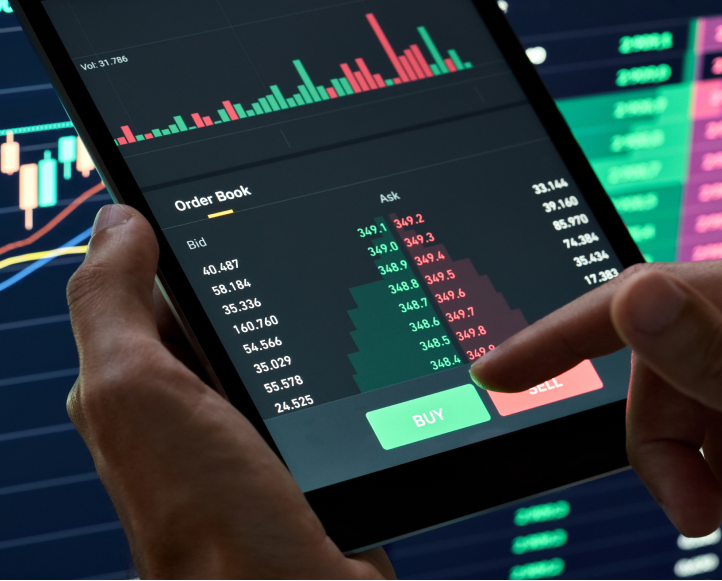
Trading crypto platforms are online systems that allow users to buy, sell, and trade cryptocurrencies. These platforms operate similarly to traditional stock exchanges, except they deal with digital assets. They serve as a marketplace for traders, providing tools and resources to execute trades efficiently. By connecting buyers and sellers, these platforms facilitate transactions that contribute to the crypto ecosystem’s liquidity.
How Trading Crypto Platforms Function
At its core, a trading platform needs to provide a way for users to interact with the cryptocurrency market. This interaction involves several components:
- User Accounts: Most platforms require users to create an account where they can store their digital assets securely.
- Order Types: Users can place different types of orders, such as market orders, limit orders, and stop orders, to control how and when their trades are executed.
- Trading Pairs: Platforms list various trading pairs, allowing users to convert one cryptocurrency into another or into fiat currencies.
- Market Data: Traders rely on real-time market data, including price charts and volume statistics, to make informed decisions.
- Security Features: Given the high value of digital assets, security features such as two-factor authentication (2FA) and cold storage for funds are imperative.

Types of Trading Crypto Platforms
Understanding the different types of trading crypto platforms can help traders select the one that meets their needs. The main categories include:
Centralized Exchanges (CEX)
Centralized exchanges, like Binance and Coinbase, act as intermediaries between buyers and sellers. These platforms typically provide high liquidity, a wide range of trading pairs, and user-friendly interfaces. However, they require users to trust the exchange with the security of their funds.
Decentralized Exchanges (DEX)
DEXs, such as Uniswap and SushiSwap, allow peer-to-peer trading without intermediaries. They operate on blockchain technology, enabling users to maintain control of their assets. While they offer greater privacy and security, DEXs often have lower liquidity and can be more complex for beginners.
Brokerage Services
Some platforms function as brokers, making it easy for users to buy cryptocurrencies without navigating complex trading interfaces. These services usually charge higher fees but simplify the process for new traders.
Derivatives Trading Platforms
For advanced traders, derivatives trading platforms like BitMEX and Binance Futures offer products like options and futures contracts. These platforms allow traders to speculate on the future price of assets without directly owning the underlying asset.
Key Features to Consider When Choosing a Trading Crypto Platform
When selecting a trading platform, it’s crucial to consider several features that can significantly impact your trading experience:
- User Interface: A user-friendly interface is vital, especially for beginners. Look for platforms that provide an intuitive design and easy navigation.
- Liquidity: Higher liquidity usually means better prices and faster trades. Check the trading volume and reputation of the platform in the market.
- Fees: Understand the fee structure, including transaction fees, withdrawal fees, and deposit fees. Different platforms have varying models, so compare them carefully.
- Security Measures: Look for platforms that implement robust security features, such as cold storage, 2FA, and regular audits.
- Customer Support: Reliable customer support can make a significant difference when you encounter issues. Look for platforms with multiple support channels, such as live chat, email, and phone.
- Educational Resources: Many top platforms provide tutorials, articles, and webinars to help users enhance their trading knowledge.
Pros and Cons of Trading Crypto Platforms
Each trading crypto platform comes with its advantages and disadvantages. Understanding these can help traders make informed decisions:
Pros:
- Accessibility: Anyone with internet access can trade cryptocurrencies.
- Diverse Options: Many platforms offer access to a wide variety of cryptocurrencies and trading pairs.
- Advanced Tools: Many platforms provide advanced trading tools like bots, analytics, and charts to enhance the trading experience.
Cons:
- Security Risks: The centralized nature of many exchanges can make them targets for hackers.
- Regulation: Since the crypto market is still relatively new, regulations vary significantly across countries, potentially impacting users.
- Volatility: Cryptocurrency prices can fluctuate dramatically within short periods, leading to potential losses.
The Future of Trading Crypto Platforms
As technology evolves, the future of trading crypto platforms looks promising. Innovations in blockchain technology, enhanced security protocols, and increased regulatory clarity will likely shape the landscape of cryptocurrency trading. Additionally, the integration of AI and machine learning could provide traders with sophisticated tools for market analysis and decision-making.
In conclusion, trading crypto platforms play a crucial role in the growing cryptocurrency market. By understanding the different types of platforms, their features, and the pros and cons associated with them, traders can make informed choices that align with their trading strategies and risk tolerance. As the market continues to mature, the tools and resources available to traders will only enhance, making it an exciting time to explore the world of digital currency trading.