
Financial projections often look many months or even several years into the future. For long-term projections, it’s usually advised to update them at least once a year. While AI in Accounting projections are just that – predictions – they should be calculated to be as accurate as possible.
- Startups use financial forecasting to identify expected money-related outcomes that will appear in future periods.
- Create business projections to show your investors what your business will look like in the coming years.
- Startups use market research, sales trends, and pricing strategies to accurately predict revenue, enabling informed decisions that support business expansion and long-term sustainability.
- It greatly enhances forecasting accuracy by swiftly and precisely analyzing large datasets, allowing for more reliable financial projections.
- Your choice depends largely on available information but both aim at providing accurate revenue growth predictions.
- Your pricing strategy can significantly influence your projected revenue based on the market share you aim to capture, detailing how businesses should price their products or services.
- A successful ecommerce strategy can allow entrepreneurs to reach a global audience with minimal overhead costs.
Creating sales projections based on data

Profit and loss forecasting projects adjusting entries future profits or losses, offering a clear view of your startup’s financial health by comparing expected revenues with projected expenses. It helps track performance, plan for profitability, and identify potential financial issues early on. Gathering their inputs not only helps create realistic projected revenues but also aids in forecasting operating expenses accurately – an essential aspect of any cash flow projection or income statement. You can’t simply use the existing balance sheet and income statement because both will likely change quite a bit after the sale of the business.

Choose the Financial Model Template That Matches Your Business Model
By creating financial projections, you can anticipate future financial performance, identify potential challenges, and seize opportunities. These projections are not just numbers on a spreadsheet; they are strategic tools that can help you navigate the complexities of entrepreneurship with confidence. You can subtract COGS from your sales figures to calculate a gross profit estimate.
Forecast Expenses

After subtracting basic product costs your profit amount becomes visible to you. High gross profit margin levels typically stand out to potential investors as beneficial signals. Data provided by market research and pre-launch signups as well as website traffic and similar business conversion rates can guide your decisions. You can begin through initial assumptions yet you must prepare supporting evidence from logic models. Most startups prepare monthly revenue predictions during their inaugural year yet afterward they use quarterly or annual projections.
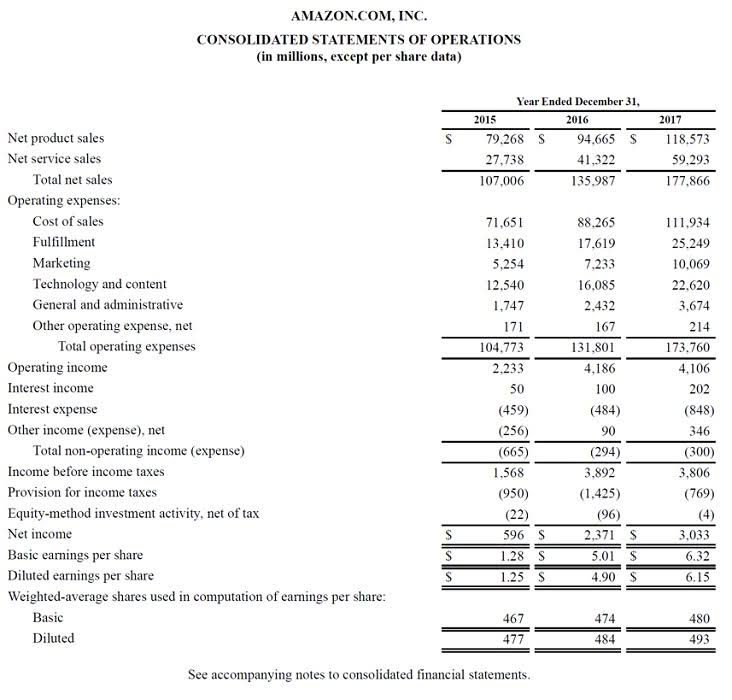
This is the amount of income or loss we generate prior to any of the fixed operating costs of running the business. Depending on our business model, we can choose to forecast our revenues using “One-time activity” or if we also have recurring revenue, we may also use “Recurring Revenue” in our revenue forecasting. All of this is great, but as you’ve probably realized, it’s a huge amount of work. Sure, anyone can slap a 5% growth percentage on every line item and be done with it, but that’s not going to lead to accurate forecasts that help inform business strategy and keep stakeholders happy.
The next step in building a financial projection is to forecast your sales or bookings. Accurate revenue forecasting requires a clear understanding of how a company will generate sales. A sales capacity model (in conjunction with the headcount financial forecasting for startups plan) will help you to estimate the performance of your sales team and the revenue they expect to generate. If you’re a SaaS startup, it’s vital to ensure your financial projections are realistic, achievable, and based on accurate data. In this article, we run through a comprehensive guide on how to build financial projections and why they’re so important to a startup. For startups, accurately projecting revenue helps determine potential sales targets and guides budgeting decisions.
- Whether launching a new venture or scaling an existing one, understanding how to forecast revenue, expenses, and profitability helps you make informed decisions.
- This process becomes easier with more historical data, but even new companies can rely on the expertise of their sales and marketing teams to help provide context on what is achievable.
- Our sample income statement works with all 3 options or a combination thereof.
- Investors assess startup financial projections to determine whether a business has a realistic growth trajectory and a sustainable business model.
In addition to decision-making, projections are huge for validating your business to investors or partners who can aid your growth. If you haven’t already created a financial statement, the metrics in this template can help you craft one to secure lenders. The role a cash flow statement plays in business planning cannot be overstated. A cash flow projection, part of your business plan, shows how money flows in and out over time.